Hamden, CT—On Tuesday, shareholders will meet to vote on the proposed merger of Olin and Huntsman corporations. But while Olin leaders look to the future for the company’s shareholders, they are intentionally divesting from the futures of the Black and Brown residents of Newhall, a neighborhood in Southern Hamden, Connecticut, that has borne decades of contamination and neglect at the hands of Olin Corporation.
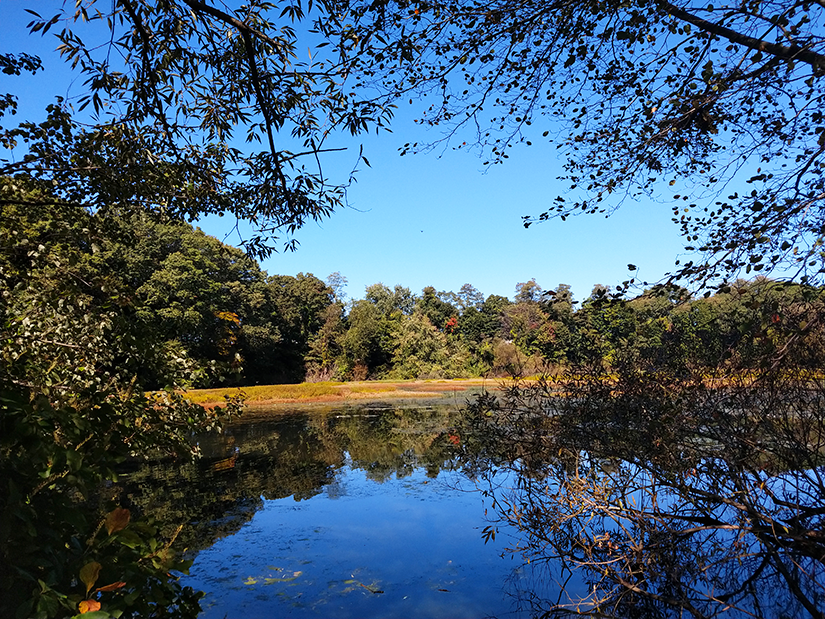
With the blessing of the Connecticut Department of Energy and Environmental Protection (DEEP), Olin has pushed out completion of testing and remediation of contamination they left behind at Six Lakes—a 102.5 acre forested wetlands adjacent to Newhall and contaminated by Olin and its predecessor Winchester—for almost another decade. The company is already more than 40 years behind schedule on its cleanup obligations, outlined in a 1986 consent order with DEEP.
“Olin’s choice to add eight more years on top of decades of delays makes it clear that they do not care about the future of the Black and Brown community of Newhall,” said Ala Ochumare, Community Organizer and Six Lakes Advisor. “Olin’s focus on profits for its shareholders rather than the wellbeing of a neighborhood they are depriving of clean soil, clean water, and accessible green space should be seen as the liability that it is during this merger process.”
Olin has little progress to show as the project enters its 5th decade. The property was originally used by Winchester Repeating Arms Company for gunpowder storage, munitions testing, and as dumping grounds for battery waste, solvents, and other industrial materials. Winchester has been owned by Olin since 1931. Today, the Six Lakes Park Coalition is pushing for an end to the delays, a full cleanup, and conversion of the property into a park that is open to all.
###