Environmental professionals from across the country gather in New Haven to learn and share natural solutions for resilient shorelines.
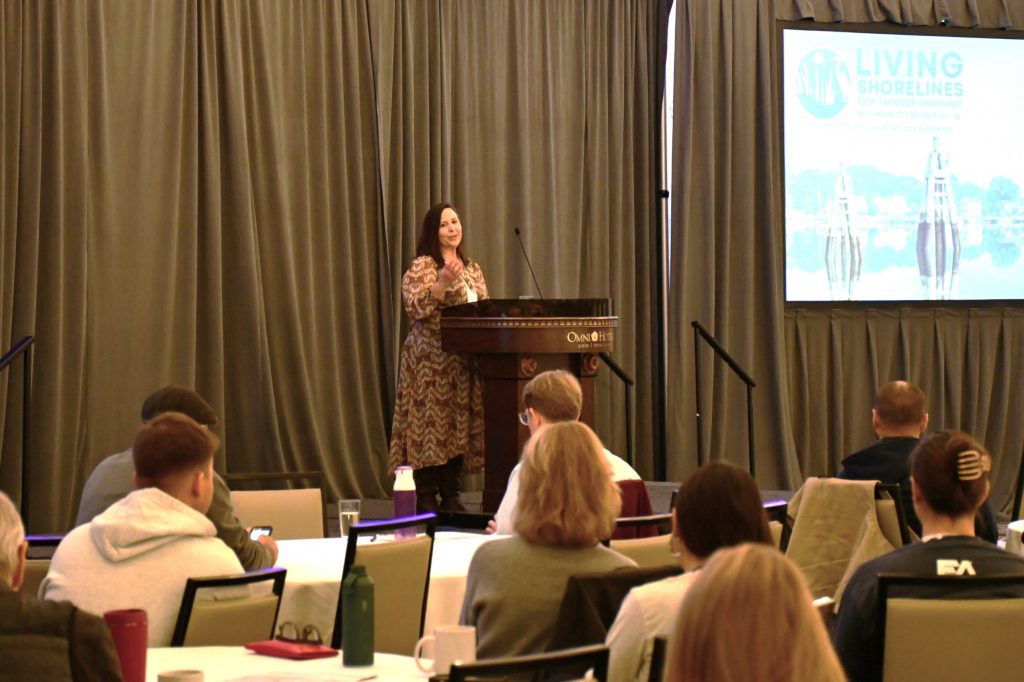
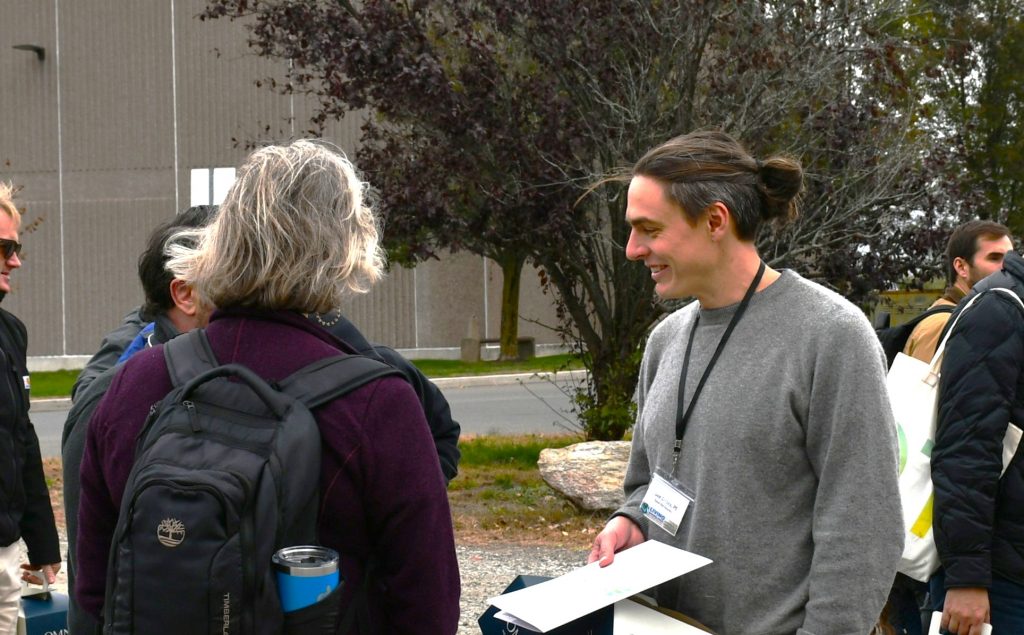
New Haven, CT —The Henry L. and Grace Doherty Climate & Resilience Institute at Save the Sound co-hosted a Tech Transfer Workshop in New Haven with Restore America’s Estuaries last Wednesday and Thursday. Over 300 coastal and estuarine habitat restoration professionals and stakeholders from across the nation gathered to learn from each other and exchange knowledge and expertise.
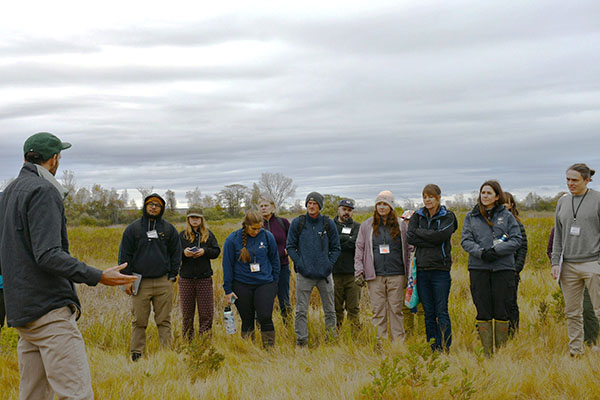
The theme of this year’s workshop was living shorelines, a nature-based solution to coastal stabilization and ecosystem conservation. Over the course of two days, participants attended talks from experts, participated in panel discussions, and worked together to create innovative solutions to coastal resilience challenges. Twelve sessions highlighted pilot projects, lessons learned, successes, and barriers to advancing shoreline projects that work with nature to create more resilient communities. Practitioners were offered our companion restoration field trips throughout the Long Island Sound region, which provided a localized experience and place-based context for some of the topical areas covered.
“Building resilience is central to the mission of the Doherty Institute at Save the Sound. We are advocating through meaningful collaboration with partner organizations, sharing expertise in climate resiliency, and using data to accelerate action for vulnerable shoreline communities,” said Julianna McVeigh, Doherty Climate & Resilience Institute campaigns manager at Save the Sound.
This timely event took place during a hurricane season that was second only to 2005 for the number of intense Category 5 storms. Nature-based solutions such as living shorelines are a first line of defense for coastal communities protecting them from climate impacts. Working with nature can mitigate wave energy, slow erosion, and soak up water that would otherwise overwhelm community infrastructure.
“It is particularly thrilling to see so many people from across the country ready to share and learn together, ensuring that we as a restoration and resilience community can expedite the pace and scale of nature-based solutions to combat climate change impacts, build habitat, and protect waters and neighborhoods alike,” said Leah Lopez, president of Save the Sound, in her opening remarks.