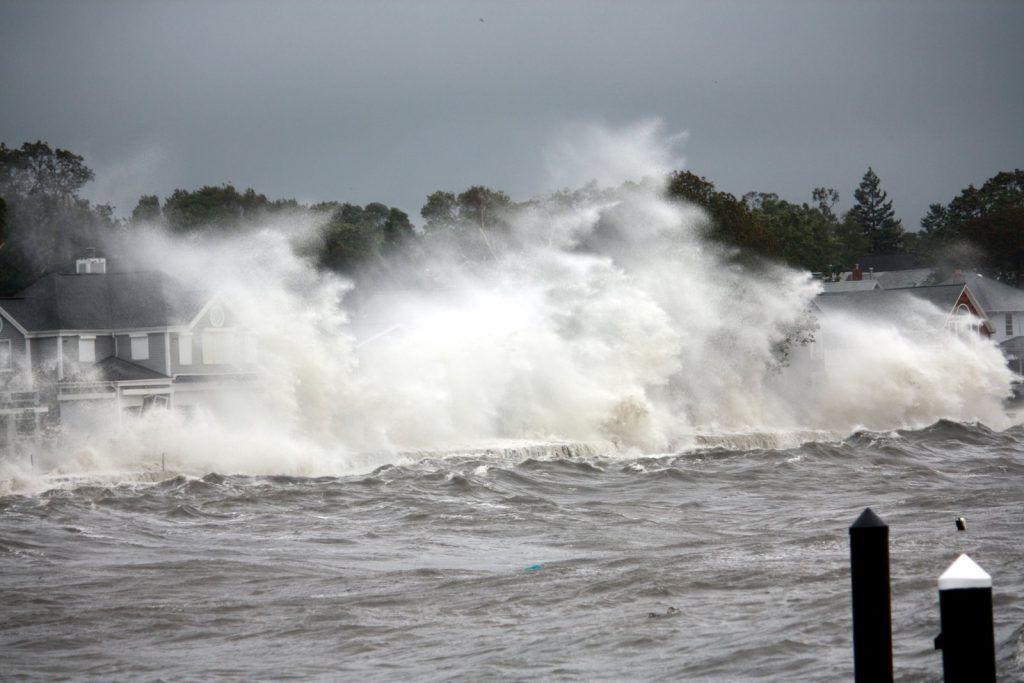
As climate disasters increase in frequency and severity, calls to improve “climate resilience” have spread around the nation. It’s an easy buzzword to repeat, but what does it actually mean?
Climate issues are complex and understanding them isn’t easy. In 2024, Save the Sound launched the Henry L. and Grace Doherty Climate and Resilience Institute to communicate those answers. With that in mind, here are three things you should know about building climate resilience:
Community Resilience
Access to information boosts resilience by helping communities take pre-emptive action to plan for and recover from disasters. That’s why the work of Connecticut and New York legislature requiring flood risk disclosure is so important.
In New York, the Flood Disclosure bill passed in 2023 establishes flood risk “right-to-know” for homebuyers, requiring disclosure of information about flood risk. Connecticut recently passed similar legislation in 2025 that ensures homeowners are notified about flood insurance availability and flood risk before they get home insurance or apply for a mortgage. Ensuring individuals have access to complete information helps empower communities to make decisions such as purchasing flood insurance that can advance the overall safety and resilience of their home. By informing prospective homeowners of the risks today, we can save families hundreds of thousands of dollars in the future.
The Doherty Institute believes an ounce of prevention is worth a pound of cure. By informing communities of flood risks and upgrading our resilience ahead of time, we can reduce costly flood damage and have a more resilient Sound for a fraction of the cost.
Grid Resilience
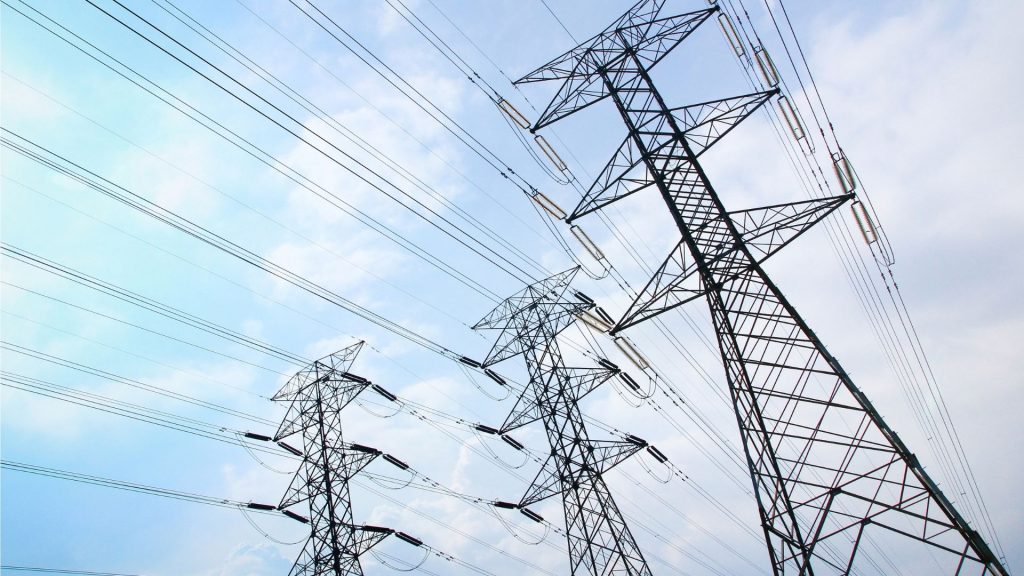
What we call “the grid” is a continent-spanning interconnected system of power plants, substations, and hundreds of thousands of miles of wire that powers hundreds of millions of buildings. Currently, the grid is fueled by generating energy from a mix of sources such as natural gas, nuclear, and renewable energy. In Connecticut, about 60% of our electricity generation comes from natural gas, and in New York, about 46%. Generating the energy we need to power our buildings by burning fossil fuels creates the emissions that cause and continue to exacerbate climate change.
As climate change continues to worsen due to emissions, our massive grid becomes more vulnerable to extreme weather that has become more widespread and unpredictable. Heat waves strain the grid with increasing AC demand, causing rolling blackouts when power is needed the most. As the climate gets more unpredictable these failures will continue, and Long Island Sound is no exception.
Microgrids present a potential solution to increase grid resilience; local solar stations or small-scale power generators connected to homes and businesses separate from the main grid can stay up if it fails. Combining these clean energy solutions with other technologies like advanced electric meters—which let consumers know the amount and cost of their power and battery storage capacity—will help the energy we do have go twice as far. Modernizing the resilience and efficiency of our grid through clean, renewable energy is a top priority.
Ecological Resilience
Nature is a first line of defense against climate change- and working with nature helps communities be more resilient to climate impacts.
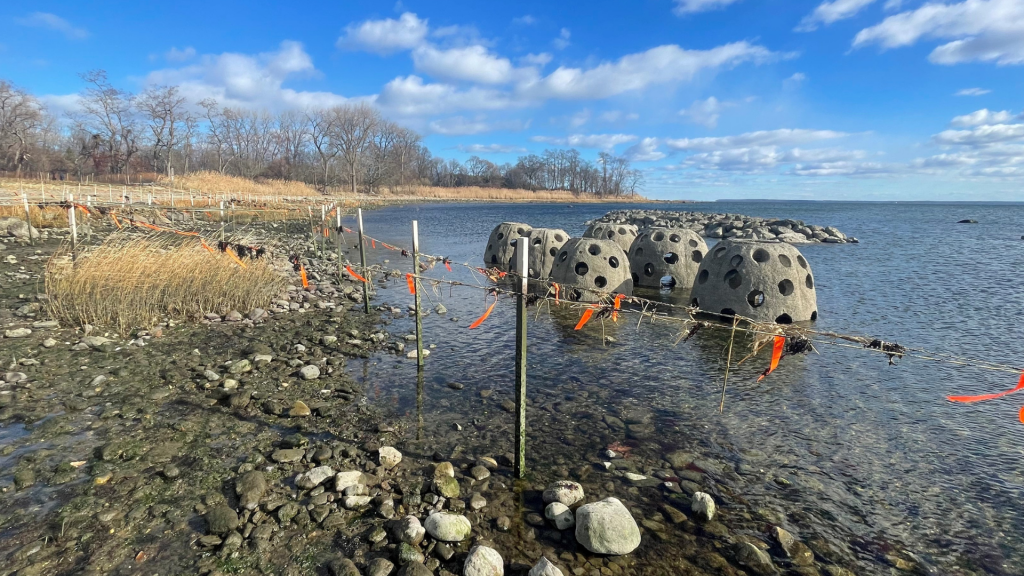
Living shorelines are one way that Save the Sound utilizes ecological restoration as a defense against climate impacts. According to the National Oceanic and Atmospheric Administration (NOAA), living shorelines use natural materials and vegetation to stabilize shorelines and reduce erosion. At Save the Sound, our land protection team helps to protect open land, and our ecological action team works to restore coastal marshes, which soak up flood waters, and install costal protections such as oyster reef habitat that slow wave energy and filter runoff pollution. Save the Sound is working hard to restore the shoreline of the Long Island Sound to its natural state where they can support thriving maritime industries, keep our waters clean and habitats thriving, and serve as a first line of defense for coastal communities through nature-based solutions.
Save the Sound is leading a living shoreline project in Queens to install 1,100 feet of oyster reef habitat to protect and restore an eroding shoreline left vulnerable to wave damage. By combining the oyster reef restoration with native plantings, the project will restore four acres of native salt marsh and create the conditions for marsh migration in an urban environment. The project, now in the final design and permitting phase, will stabilize shorelines, protect upland infrastructure, restore critical habitat, and serve as a model for improving coastline resilience.
To Wrap Up
Building climate resilience is multifaceted with various tools to choose from. These can vary from incorporating clean energy into our electric grid, empowering communities by providing access to critical flood resiliency information and installing nature-based solutions that promote ecological restoration and coastal protection. It’s not just a buzzword; it’s the practical work of fortifying our infrastructure, choosing the right policies, and restoring the natural systems that protect us. By acting before disaster strikes, we can safeguard our communities, preserve our environment, and ensure a thriving Long Island Sound for generations to come.