The work we do together all year to protect and restore the water, air, and land in our Long Island Sound backyard will also protect your summer.
Healthy waters to swim in, and to drink. Less trash underfoot on the beach. Fish migrating upstream to their spawning grounds and your fishing pole. Beautiful nature to hike in with your friends and family.
Read on for a few of the ways we’ve made a difference in every season this year.
WINTER
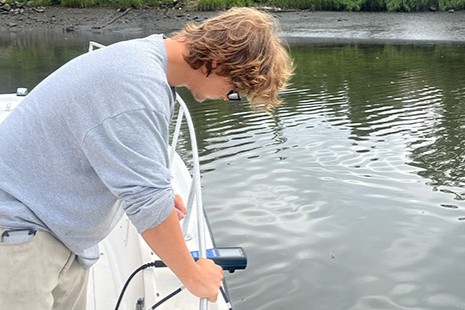
Data to understanding to action. It was with this motto in mind that we launched QuickDrops in February 2025. This game-changing water quality data platform and visualization tool collects, manages, and currently shares over a hundred thousand data points from 660+ locations across Long Island Sound. Years’-worth of data is available for free to beach managers, municipal leaders, community science groups…everyone interested in understanding and addressing water quality challenges that determine whether you can swim, fish, and kayak the Sound. QuickDrops will keep growing in value as monitoring groups around the region upload their data. If your organization is interested in becoming a contributor, email us at support@QuickDrops.org.
A new presidential administration took office in early 2025, and our legal team has been standing up to them on key issues all year. To protect the Endangered Species Act, we filed comments with the Environmental Protection Agency and many of you chimed in to oppose the proposed regulatory changes. To safeguard the Clean Air Act and climate progress, we submitted testimony objecting to the rescinding of the Endangerment Finding which would undermine the regulation of greenhouse gas emissions. And as you read this, we’re preparing guidance that will help you push back against attempts to narrow the protections of the Waters of the United States (WOTUS).
SPRING
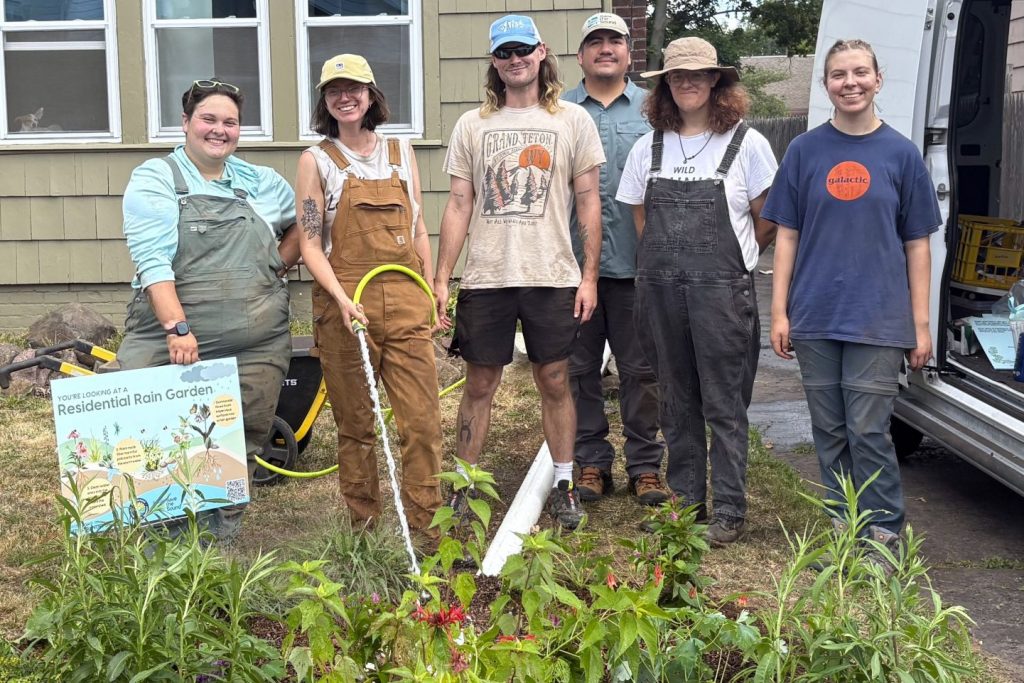
For the last two years, volunteers have rolled up their sleeves, got a little dirty, and helped us install 40 residential rain gardens across New Haven and Hamden. Together, we converted 2/3 of an acre of impervious surfaces into green infrastructure. (This project was funded, in part, by the U.S. Environmental Protection Agency; funding is administered by the Connecticut Department of Energy and Environmental Protection.) Now when it rains, the native plants in these gardens help runoff filter into the ground, filtering out pollutants and protecting our watershed. Together, these 40 rain gardens are now diverting more than 700,000 gallons of stormwater per year. That means less pollution running into the waters we all want to swim, fish, and boat in this summer.
Any advocacy effort is more effective when your voice is amplified by allies. Throughout the 2025 New York legislative session, our government relations team partnered with coalitions on a range of issues directly affecting New Yorkers’ health: New York State Clean Water Coalition (securing $500 million for the Clean Water Infrastructure Act), New Yorkers for Clean Water and Jobs (getting a record $425 million for the Environmental Protection Fund), Rise to Resilience (advocating for policies to make New York more resilient to climate change) and PFAS-Free NY (turning off the tap on toxic forever chemicals), as well as a coalition that helped pass the Horseshoe Crab Protection Act.
Your voice was a powerful force during the 2025 Connecticut state legislative session. Advocates of all ages joined us at the Capitol for lobby days, sent hundreds of emails and calls to their legislators, and submitted countless pages of testimony at public hearings. And your hard work paid off. After several years of inaction, the legislature passed two climate bills this year, setting new emissions targets and increasing Connecticut’s resilience. Bills to advance environmental justice and healthier waters also crossed the finish line, and together we successfully fought back attempts to roll back your rights under the Connecticut Environmental Protection Act for the second year in a row. Read more in our midnight wrap-up.
SUMMER
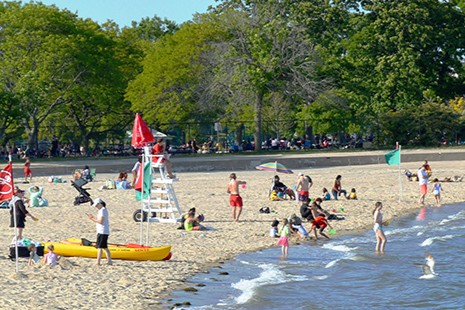
When you go to the beach, the #1 thing you want to know is whether the water is clean. Seventy-two percent of the 200+ public and private beaches in our 2025 Long Island Sound Beach Report got an A or a B grade for water quality. That’s the good news. The concerning news was that 28% received C grades or lower, and the overall failure rate for water samples during the 2022 – 2024 swimming seasons was up from the previous three-year period in both wet and dry conditions. Wet weather fails often result in beach closures, and 2024 was an especially wet year. Keeping the beaches you love open throughout the summer requires year-round commitment to understanding the sources of pathogens that can make the Sound unsafe for swimming—and to fixing them. With your help, Save the Sound does both.
It took nearly a decade, but our Clean Water Act case culminated this summer in a collaborative agreement with Westchester County to address chronic sewage spills. That settlement, along with agreements previously reached with 11 municipalities, will result in the collective investment of $100+ million to study and repair more than 600 miles of sewer pipe and fix more than 64,000 identified defects, as well as $1.7+ million in funding for projects that will restore and protect Long Island Sound and local waterbodies. We will continue to monitor and enforce the implementation of all repairs, management of the sewer system, and progress of each environmental benefit project.
From early morning paddles to days spent swimming along the shore, summer on Long Island Sound depends on clean, healthy water. That seasonal freedom is made possible by year-round work to protect and restore the Sound and its rivers. This summer, that connection came to life during the tenth annual Paddle for the Sound, when advocates like you explored more than 500 miles of shoreline and open water by kayak, paddleboard, and canoe. Participants raised over $8,000 to support clean water, climate action, land conservation, and ecosystem restoration. Their effort helps ensure the Sound remains a place people can safely enjoy, now and in every summer to come. Read more.
FALL
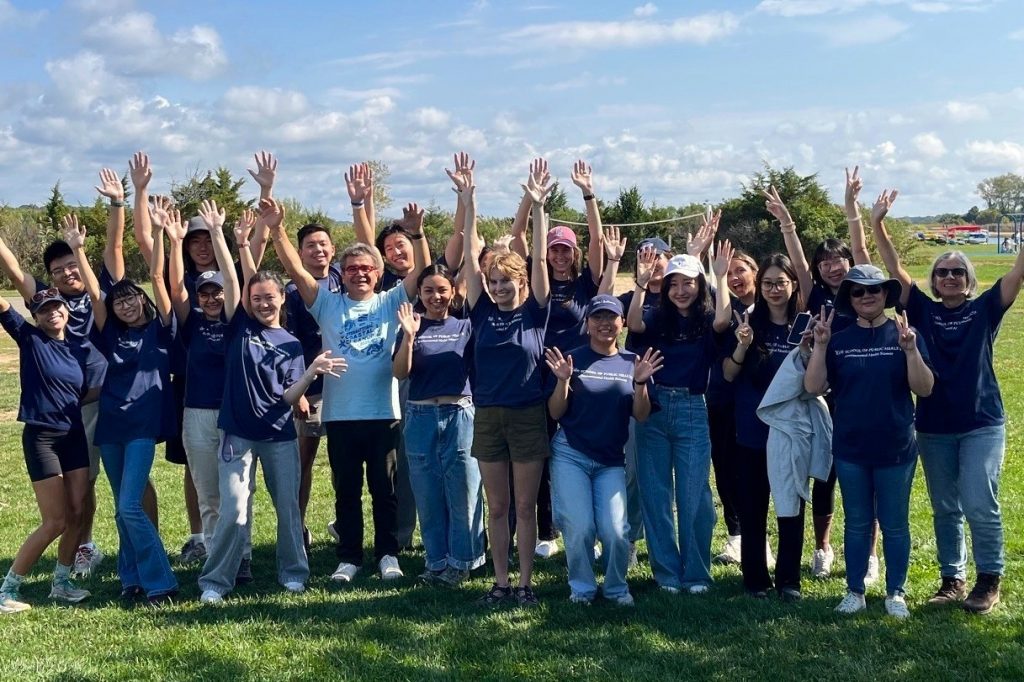
A briefcase, a fire extinguisher, and a DVD player. What do these three objects have in common? They aren’t sitting on your favorite beach anymore! At 98 CT Cleanup events this year, volunteers picked up abandoned and discarded items from large equipment to small scraps. Together we filled at least 930 trash bags with over 100,000 pieces of trash weighing 11,500 pounds. CT Cleanup is generously supported this year by Subaru of New England, FactSet Charitable Foundation, Arvinas, Beiersdorf, Neuberger Berman, and PKF O’Connor Davies, as well as our other corporate sponsors and the individual donors who keep this program alive year after year. We are in awe of our many cheery and dedicated volunteers who removed vast amounts of discarded trash from so many of your favorite parks and summer beaches!
What if arts and crafts could drive conservation? That’s the question our Soundkeeper team is answering with its eelgrass restoration project. This fall, with the help of SAVE Environmental, Inc. and funding from 11th Hour Racing, 180 volunteers joined us to glue eelgrass seeds to live clam shells. Those clams were then tossed back into the water where they burrow into the sea floor, planting the seeds and mimicking natural symbiosis. From September through November, 275,000 seeds were glued onto 30,000 clams and planted at different times to identify the best window for restoration. Come spring, we’ll monitor the success through drone photography, satellite imagery, and divers in the water.
This fall, Save the Sound launched the new Alexander Center for Ecological Action, which brings together our Ecological Restoration program and the Doherty Climate and Resilience Institute to build a healthier future for the Long Island Sound region through innovation and leadership, and is made possible through generous funding from the Libby and Robert Alexander Family, of Rye, New York. From restoring river connectivity through the Blind Brook dam removal in Rye and the Westchester County stream barrier and road crossing inventory, to preventing runoff pollution from entering waterways through urban stormwater biofiltration at Haven & Exchange in New Haven, to rebuilding coastal marsh and resilience at Ash Creek in Fairfield/Bridgeport and Big Rock in Queens, the Alexander Center brings together science, partnerships, and communities to restore the Sound’s natural defenses. The Doherty Climate and Resilience Institute also sits within the Alexander Center as Save the Sound’s place-based climate change hub, which uses data and metrics to educate the public, mobilize stakeholders, and highlight nature-based solutions in order to cut climate pollution, protect our habitats, and stabilize our shorelines.
The year ended with a triple win for New Yorkers and our environment as Governor Hochul signed three bills we’ve been advocating for: one to get toxic PFAS out of menstrual products, one to end the subsidizing of new gas hook-ups, and one to ban the harvest of horseshoe crabs for commercial and biomedical purposes. This last bill mirrors protections already in place in Connecticut, creating consistent conditions around the whole Sound to support restoration of this 450-million-year-old species. Thanks for urging the Governor’s signatures, and stay tuned for more ways to take action as the New York, Connecticut, and federal legislative sessions start up in the new year!
THANK YOU
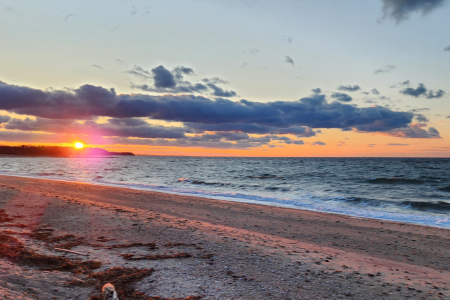
Thank you for being part of the community that protects the Sound year after year. As we close out 2025 and prepare for 2026, your support helps ensure this work continues when it is needed most—in every season.
Right now, a generous supporter is matching the first 500 new memberships, so a $25 gift becomes $50 through December 31. You can also give a membership to a friend or family member and share your commitment to clean water and healthy shorelines.
Every dollar strengthens restoration projects, clean water protections, community action, and the advocacy that defends the Sound. If you are able, please consider making a gift before the new year and helping carry this work forward—so we can enjoy all the Sound region has to offer, together.